
The role of social media in shaping gambling trends a Chicken Road perspective
The Evolution of Gambling Trends
Over the past decade, the gambling industry has witnessed a remarkable transformation, largely fueled by the rise of social media platforms. These platforms have become central to how gamblers engage with games and each other, providing a dynamic environment that fosters community and competition. For instance, platforms like Instagram and Twitter serve as a vibrant backdrop for sharing experiences, strategies, and results, creating a shared culture around gambling. This evolution is not merely about increasing participation; it also shapes how individuals perceive gambling as an entertainment form. If you’re looking to https://chickenroad2.com.ng/, you can easily join the fun in the gaming world.
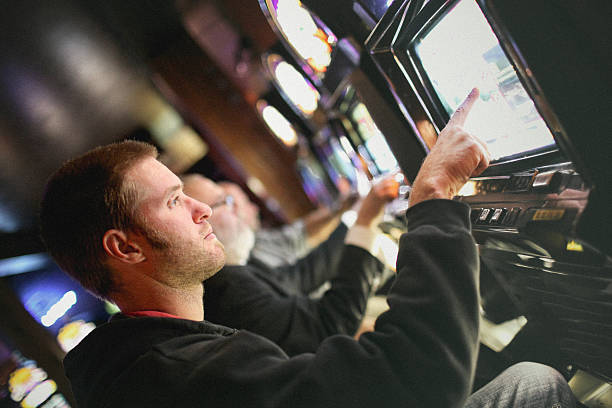
Moreover, social media has made gambling more accessible, breaking geographical barriers that traditionally restricted participation. Users from regions with strict gambling laws can connect with communities and participate in discussions around gambling trends and strategies. This democratization of information allows individuals to make informed choices and fosters an environment where gambling is normalized and integrated into daily life. Through shared stories and testimonials, social media effectively humanizes gambling, transforming it from a solitary activity into a social experience.
As gambling trends continue to evolve, the psychological aspects of gambling are increasingly influenced by social media dynamics. Users often seek validation through likes, shares, and comments, which can exacerbate both the thrill of winning and the despair of losing. The interconnectedness offered by social media platforms creates a feedback loop that amplifies emotional responses, making the gambling experience more intense and, at times, more addictive. This psychological interplay underscores the significance of social media in shaping contemporary gambling behaviors.
The Psychological Impact of Social Media on Gamblers
The psychological factors involved in gambling are profoundly influenced by social media interactions. Gamblers often turn to these platforms for tips, advice, and motivational content, which can significantly impact their gambling habits. The social proof effect, where individuals look to others for cues on how to behave, plays a crucial role in this context. When users witness their peers celebrating wins or sharing their gambling successes, it creates an aspirational environment that encourages more participation.
Additionally, social media serves as a breeding ground for various gambling trends, including the popularity of certain games or betting strategies. Influencers and content creators can sway public opinion, leading to trends that may not have been popular otherwise. This phenomenon can cause individuals to feel pressured to adopt specific behaviors or games to fit into the community, further complicating the psychological landscape of gambling. The desire to belong can lead to increased gambling activity, driven by a fear of missing out on experiences shared by others.
Moreover, the constant influx of information and updates regarding gambling on social media can lead to cognitive overload. Gamblers may find themselves inundated with choices, tips, and opinions, which can be overwhelming. This state of confusion can lead to impulsive decision-making, impacting their overall gambling strategies. Understanding the psychological effects of social media is essential for both players and the industry, as it highlights the need for responsible gaming initiatives that address these challenges.
The Role of Marketing and Advertising in Gambling
Marketing strategies in the gambling industry have increasingly leaned on social media for outreach, capitalizing on its vast user base to attract new players. Social media ads and promotions are often tailored to target specific demographics, creating a personalized experience that resonates with potential gamblers. The visually engaging nature of platforms like TikTok and Instagram allows gambling brands to showcase their offerings in a captivating manner, drawing in viewers who may not have considered gambling otherwise.
Moreover, the interactive features of social media enable brands to foster engagement through challenges, contests, and giveaways. These promotions not only generate buzz but also create a sense of community among players. For example, a casino might run a contest encouraging players to share their biggest wins, enhancing visibility while simultaneously promoting their platform. This interactive marketing approach effectively engages existing users while attracting new ones, significantly shaping modern gambling trends.
However, the prevalence of gambling marketing on social media raises ethical questions, particularly regarding the potential targeting of vulnerable individuals. As the line between entertainment and gambling blurs, it’s crucial for companies to implement responsible advertising practices. Regulatory bodies are beginning to scrutinize these marketing tactics, emphasizing the importance of transparency and social responsibility in gambling promotions, ultimately influencing how trends are shaped.
The Community Aspect of Gambling on Social Media
Social media has cultivated a unique sense of community within the gambling sphere, bringing together individuals from diverse backgrounds and experiences. These platforms allow players to share their journeys, including both triumphs and setbacks. This shared storytelling fosters empathy and understanding, making gambling feel less like an isolated endeavor and more like a collective experience. Such communities provide a support system where players can discuss strategies and share helpful tips.
Additionally, community-driven content, such as live streams or podcasts, further enriches the gambling experience. By tuning into these broadcasts, users can engage with their favorite players and personalities, gaining insights into various gambling strategies. This dynamic creates a participatory culture where audiences feel connected to the content, reinforcing their commitment to both gambling and the community surrounding it. The community aspect on social media cultivates long-lasting relationships that go beyond the mere act of gambling.
However, this community aspect also has a darker side; it can perpetuate harmful behaviors. The culture of competition can lead to peer pressure, encouraging individuals to gamble more than they intend to keep up with their peers. This phenomenon highlights the dual nature of social media, serving both as a support network and a potential source of stress. Understanding these nuances is crucial for fostering healthier gambling communities on social platforms.

Conclusion: A Chicken Road Perspective on Social Media and Gambling Trends
In summary, social media plays a pivotal role in shaping gambling trends by influencing psychological factors, marketing strategies, and community dynamics. As the gambling landscape continues to evolve, understanding these dynamics from a Chicken Road perspective offers valuable insights into the ongoing interplay between technology and human behavior. The interactive nature of social media not only enhances user engagement but also poses challenges that need to be addressed.
The Chicken Road platform exemplifies how gaming and gambling can merge, fostering a fun and engaging atmosphere while encouraging responsible behaviors. If you want to download Chicken Road 2.0 game APK online, it presents a wonderful opportunity. By focusing on user experience and community, Chicken Road can continue to thrive in this rapidly changing environment. The ongoing dialogue about gambling trends on social media underscores the need for awareness, responsibility, and a balanced approach to gaming.