
The cultural impact of gambling across societies
The Historical Context of Gambling
Gambling has a rich and varied history that dates back thousands of years. From ancient civilizations engaging in dice games to the establishment of formal betting systems in medieval Europe, the evolution of gambling reflects societal values and norms. In many cultures, gambling has been tied to rituals, celebrations, and even religious practices, showcasing its significance in human social life. The variety of games has expanded over time, leading enthusiasts to discover the best crypto casinos available today.
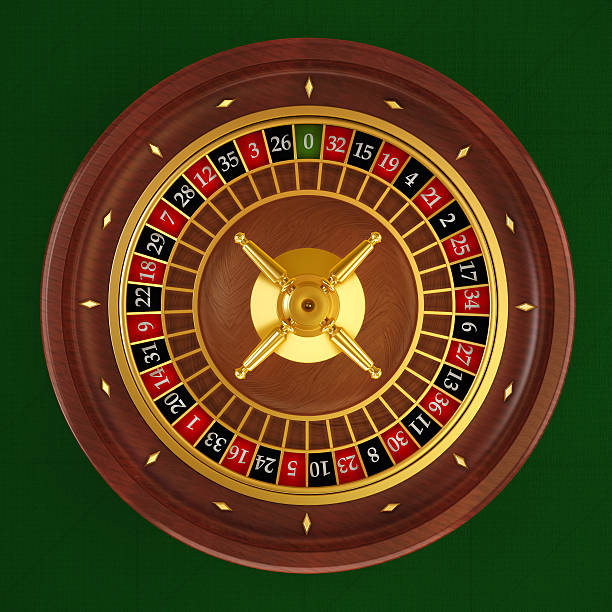
In societies like ancient China, gambling was not merely a leisure activity but a cultural phenomenon that incorporated elements of strategy and luck. The development of games such as Mahjong signifies a deep-rooted appreciation for chance and skill. Understanding this historical context helps us comprehend the cultural significance gambling holds today in various regions across the globe.
Gambling in Modern Societies
In contemporary times, gambling has transformed into a multi-billion dollar industry, influencing economies and cultures worldwide. It is no longer confined to illegal backroom games but has proliferated into casinos, online platforms, and sports betting. This mainstream acceptance has led to a complex relationship between gambling and society, where it is both celebrated and criticized.
In several countries, gambling has become synonymous with entertainment, drawing millions to casinos and online platforms. The social gatherings often associated with gambling activities create a sense of community, albeit with the risk of addiction and financial woes. The ongoing debate around responsible gambling reflects the dual nature of this activity—where it can be a source of enjoyment for many, it also poses potential dangers.
The Social and Economic Impacts of Gambling
The economic contributions of gambling are significant, providing jobs, generating tax revenue, and attracting tourism. Many regions depend heavily on casinos and gambling establishments to boost local economies. This economic dependency, however, raises questions about sustainability and ethical considerations regarding the promotion of gambling.
Socially, gambling can alter community dynamics, bringing people together while also driving wedges among families and friends. The disparities between those who can gamble responsibly and those who fall prey to addiction are stark. Communities often face the challenge of balancing the economic benefits with the social costs associated with gambling, leading to a nuanced discussion about its role in society.
Cultural Perceptions of Gambling
Across different cultures, perceptions of gambling vary widely. In some societies, gambling is seen as a legitimate form of entertainment, while in others, it may be viewed as morally reprehensible or linked to negative social behaviors. Cultural narratives and taboos surrounding gambling can significantly affect its acceptance and regulation.
For example, in certain Asian cultures, gambling is often interwoven with traditional festivities, thereby normalizing the practice. Conversely, in more conservative societies, gambling may be restricted or outright banned, reflecting deeper societal values. These varying perceptions influence policy-making and the cultural landscape surrounding gambling, shaping how it is practiced and regulated.

Exploring Responsible Gambling with Resources
Understanding the complexities of gambling is crucial for fostering a culture of responsible play. Resources dedicated to educating individuals about the risks and benefits of gambling are essential in creating informed communities. Many organizations work tirelessly to promote responsible gambling, helping players recognize the signs of addiction and offering support systems.
Websites dedicated to gambling often provide crucial insights into safe practices, industry trends, and a variety of gambling platforms. By promoting awareness and accountability, these resources help ensure that the cultural impact of gambling is positive rather than detrimental, aiding players in making informed choices while enjoying their gaming experiences.